Eco-friendly solutions in construction and remodelling aren’t new. They’ve been around for quite a while. However, today, this trend is seen to be expanding rapidly. People quickly recognise the benefits green solutions provide, both for themselves and for nature itself. Eco-friendly insulation is one of the best examples of this. So, let’s find out more with This Guide To Green Insulation.
The Guide To Green Insulation Benefits
Every year, more homeowners, new and old alike, opt for eco-friendly insulation. This type of home improvement has so many benefits that it’s practically impossible to ignore. It can positively impact virtually every aspect of your life, from health to comfort and finances, all while preserving nature.

Green insulation can improve your health
Green insulation materials are, by default, all-natural. Also, making them doesn’t involve nearly as many harmful chemicals. In most cases, it doesn’t include any. As a result, this insulation can rarely cause health issues that are common for its standard counterpart.
Another benefit is reducing noise pollution as these materials double up as soundproofing. So, your home will become a more serene place after installing them.
Eco-friendliness is one of the most significant upsides
As the materials are natural, it’s easy to recycle them. A good part of eco-friendly insulation products consists of recycled materials. This, in turn, makes them cheaper and more energy-efficient to manufacture.
You’ll see an increase in comfort and energy efficiency
The primary purpose of insulation is to keep your home warm in winter and cool in summer. Granted, this is a drastically simplified explanation. Nevertheless, the fact remains: green insulation regulates your home’s temperature, and it does so exceptionally well.
Furthermore, this type of insulation is an excellent way to increase your home’s energy efficiency. With it, you’ll use less gas, fuel, or electricity to warm or cool your home. In other words, you’ll spend less on utilities—up to 20% less, to be precise. So, in the long run, it will pay for itself many times over.
Types of eco-friendly insulation
There’s a wide variety of eco-friendly insulation products and materials. Although their effectiveness and installation methods differ, they all do the job well. Here are some of the most popular options today.
Cellulose
Cellulose insulation is made mainly from recycled newspaper, with some addition of other types of paper. And it doesn’t get any “greener” than that. Aside from being all-natural, the manufacturing process doesn’t involve harmful chemicals. Therefore, this is one of the safest materials you can opt for if you want a cosy and healthy home.
Sheep’s wool
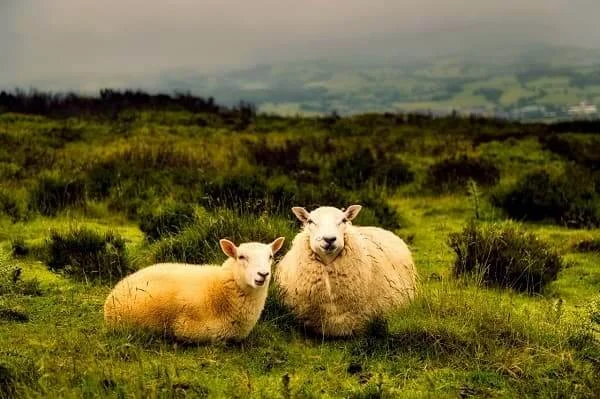
Sheep’s wool is an exquisite insulation material. It’s breathable while being fire, water, and mould-resistant. Therefore, it’s one of the most popular insulation choices. Wool can dramatically improve your home’s climate, reducing energy consumption and utility bills. Considering how little wool is used in the farming industry, using it as insulation is one of the best things you can do for yourself and nature.
Cotton
Cotton does take a large amount of water and pesticides to produce. Therefore, this material costs a bit more than the previous two. Still, it’s a fantastic insulator that doesn’t contain harmful compounds. Furthermore, it’s an excellent insect repellent that will keep a variety of creepy crawlies away from your home.
Icynene
If you want an incredible insulator that doubles up as soundproof, Icynene is the right choice. Made from castor oil, it comes as a spray that expands almost a hundred times its volume. It’s an excellent insulator and a great material to seal leaks and drafts. However, this property comes with a downside. Icynene’s sealing power is off the charts and requires an excellent ventilation system. It makes it one of the most expensive options, albeit worthy.
Does remodelling to green insulation take a lot?
At first glance, remodelling your home to include green insulation might seem daunting. And, to some extent, it is. After all, you are changing a core feature of your home. But, although it’s an extensive job, it doesn’t take nearly as much time as you might think. In most cases, it’s a one-day job. Of course, this largely depends on the size of the home itself and the team’s proficiency in remodelling. You can do a few things to speed up the process.
Go with the pros
Knowledge and experience play a crucial role in the success of any project. You don’t want to take risks as essential and extensive as installing insulation. Therefore, hiring professionals with a good track record and leaving the work in their capable hands is best. That way, you ensure the project won’t take longer than necessary. Furthermore, you guarantee the quality of work, which is the most important thing.
Provide a good work environment.
The second-best thing you can do to ensure a swift project resolution is to make your home work-friendly. In other words, you want your workers to function unobstructed. As with any remodel, installing insulation will take a lot of back-and-forth and bundles of materials and tools. So, to ensure a seamless workflow, it’s a great idea to empty the part(s) of the house you’re remodelling. If you’re only insulating a roof or a single room, this won’t be too much of an issue. You can shift furniture and belongings from one area to another without much effort.

However, if you’re doing extensive work (e.g., the entire home), you might consider reading this guide to Green Insulation. To this end, self-storage (or a regular one) can be godsent. So, research to find the best possible option that suits your needs. You’ll keep your belongings safe and out of the way, thus avoiding risks of damage and unnecessary delays.
Go green, and you won’t go wrong.
With everything said, it’s not hard to see that green insulation has virtually no downsides. It improves your health and quality of life while being sustainable at the same time. It increases the value of your home while reducing utility bills and energy expenditure. Most importantly, it helps preserve the beautiful planet on which we live. So, don’t hesitate to contact your insulation expert and discuss how to go green. In the long run, it will be one of the best decisions you’ll ever make.