
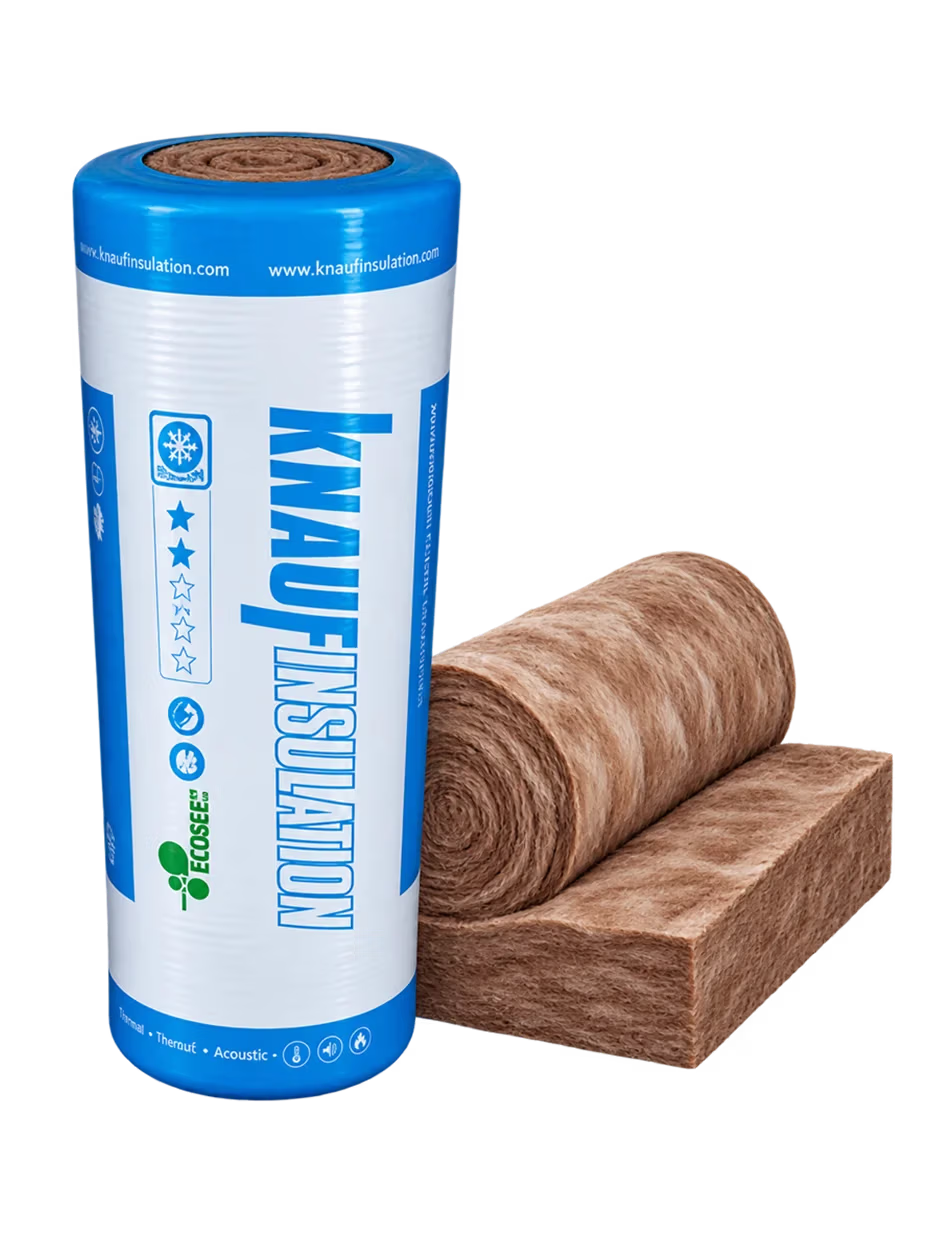


Knauf Insulation Prices, Thicknesses and Performance
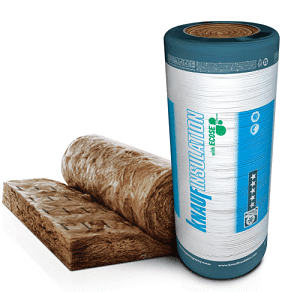
Knauf insulation is a high-performance glass mineral wool used to reduce heat transfer and improve acoustic comfort through ceilings. The current Knauf Ceiling Roll is manufactured with ECOSE® Technology and is available from Roof Insulations in 50mm, 75mm, 100mm and 135mm thicknesses.
The product is also commonly searched for as Knauf Earthwool insulation. Earthwool is a well-known name associated with Knauf’s glass mineral wool range, while the current South African manufacturer documentation identifies this product as Knauf Ceiling Roll or Loft Roll. In fact, Knauf is ideal for Drywalling applications as well.
Each thickness has a different roll length, coverage, R-value and price per square metre. Choosing correctly means comparing thermal performance as well as roll price. A thinner roll covers a larger area, but a thicker roll offers greater resistance to heat flow.
Knauf Insulation Prices and Roll Coverage
Knauf Ceiling Roll is sold by the complete roll. Select a thickness in the purchasing section above to see its current price. Product prices can change, so the variation selector should remain the authoritative source rather than placing fixed prices throughout the long description.
To estimate the number of rolls required, measure the ceiling length and width in metres and multiply them to calculate the area. Divide the ceiling area by the coverage of the selected roll and round up to the next whole roll. Allow for irregular areas, obstructions and unusable offcuts where necessary.
For example, 135mm Knauf covers 9m² per roll. A straightforward 90m² ceiling would require at least ten rolls before allowing for site conditions or wastage. Accurate measurements are especially important on larger orders because roll coverage varies considerably between thicknesses.
Which Knauf Insulation Thickness Should You Choose?
The correct thickness depends on the building, climate zone, existing insulation and required performance of the complete roof-and-ceiling system. Price should not be the only deciding factor.
50mm Knauf Insulation
A 50mm Knauf roll measures 19m × 1.2m and covers 22.8m². Its South African product R-value is 1.25.
This thickness provides the lowest thermal resistance in the range but the greatest coverage per roll. It can be useful for topping up suitable existing insulation, projects with restricted ceiling space or applications where only a moderate improvement is required. It should not automatically be treated as sufficient for a new roof system requiring higher thermal performance.
75mm Knauf Insulation
A 75mm Knauf roll measures 12.8m × 1.2m and covers 15.36m². Its South African product R-value is 1.88.
The 75mm product offers a clear performance improvement over 50mm while retaining relatively generous roll coverage. It can suit upgrade projects and applications where 100mm or 135mm cannot be accommodated. Compliance still depends on the R-value of the complete roof assembly.
100mm Knauf Insulation
A 100mm Knauf roll measures 10.1m × 1.2m and covers 12.12m². Its South African product R-value is 2.50.
This thickness provides strong thermal and acoustic performance for residential and suitable non-residential ceilings. It may offer an effective balance between purchase cost, coverage and performance, but it should not be described as the correct option for every South African home without considering the climate zone and roof construction.
135mm Knauf Insulation
A 135mm Knauf roll measures 7.5m × 1.2m and covers 9m². It provides the highest South African product R-value in this range at R3.38.
For projects prioritising thermal performance, 135mm is the strongest of the four choices. It is well suited to new homes, energy-efficiency upgrades and buildings exposed to substantial seasonal heat gain and heat loss. The final specification should still consider the complete roof-and-ceiling system.
Knauf Ceiling Roll Technical Specifications
| Thickness | Roll dimensions | Coverage per roll | Product R-value | NRC |
|---|---|---|---|---|
| 50mm | 19m × 1.2m | 22.80m² | R1.25 | 0.81 |
| 75mm | 12.8m × 1.2m | 15.36m² | R1.88 | 0.93 |
| 100mm | 10.1m × 1.2m | 12.12m² | R2.50 | 1.04 |
| 135mm | 7.5m × 1.2m | 9.00m² | R3.38 | 1.15 |
The listed R-values are official product values calculated for South African conditions. They are not installed R-values for an entire roof assembly. Roofing, air spaces, ceiling boards, thermal bridges and other system components can change the final result.
All dimensions are nominal, and product specifications can be updated. Confirm the current manufacturer data when preparing architectural specifications, tenders or regulatory submissions.
What Is ECOSE Technology?
ECOSE® Technology is Knauf Insulation’s plant-based binder for mineral wool. It contains no added formaldehyde or phenol and replaces the traditional binder that gives some older glasswool products a strong colour and odour.
The resulting Knauf Ceiling Roll is naturally brown, soft to the touch and easier to handle than many traditional mineral wool products. It generates low levels of dust and volatile organic compounds and has received Eurofins Indoor Air Comfort Gold certification for low VOC emissions.
The accurate claim is “no added formaldehyde or phenol.” It should not be shortened to “chemical-free,” and improved handling should not be presented as guaranteed non-itch insulation. Installers should still use suitable clothing, gloves, eye protection and respiratory protection in dusty roof spaces.
Knauf states that its glass mineral wool contains up to 80% recycled content, including recycled window, bottle and jar glass. Environmental Product Declarations are available for assessing the product’s wider environmental performance.
Thermal Performance Throughout the Year
Heat moves from warmer areas towards cooler areas. During summer, heat from the roof can pass through an uninsulated ceiling into the rooms below. During winter, heat generated inside a building can escape through the same route.
Knauf glass mineral wool traps air within its fibres and slows this movement of heat. Correctly installed ceiling insulation can therefore help rooms remain cooler during hot weather and retain warmth for longer during cold weather.
Insulation does not create heating or cooling, and exact electricity savings cannot be guaranteed. The result depends on the climate, building design, appliances, occupancy and installation quality. The dependable benefit is reduced heat transfer and more stable indoor temperatures, which can lower the demand placed on heaters, fans and air-conditioning systems.
Acoustic Absorption and Noise Control
The open fibrous structure of glass mineral wool also absorbs sound energy. Knauf Ceiling Roll can help reduce sound transfer through ceiling spaces and improve acoustic comfort inside a building.
The published Noise Reduction Coefficient increases from 0.81 for 50mm to 1.13 for 135mm. Thicker products therefore offer stronger sound absorption as well as higher thermal resistance.
This can be beneficial for general household noise, rain noise beneath metal roofs and reverberation within suitable building systems. However, Knauf Ceiling Roll is not a complete soundproofing system. Proper sound isolation depends on the ceiling layers, framing, sealing, penetrations and flanking sound paths. Where soundproofing is the main objective, a tested acoustic construction and a purpose-designed Knauf Acoustic Roll or batt may be more appropriate.
Non-Combustible A1 Fire Performance
Knauf Ceiling Roll is manufactured from non-combustible glass mineral wool and has an A1 reaction-to-fire classification. Knauf also publishes a fire certificate in accordance with SANS 53501-1 for the South African market.
This means the insulation will not contribute fuel to a fire or support flame spread. It is a valuable part of safer roof construction, although no single insulation product makes an entire roof or building fireproof. Ceiling linings, electrical work, downlights and the rest of the roof assembly must also be correctly designed and installed.
Use the exact product and fire-classification wording instead of describing Knauf Ceiling Roll broadly as “SABS approved” unless a current certificate specifically supports that statement.
South African Building Requirements and R-Values
SANS 10400-XA addresses energy use in buildings and sets thermal-performance requirements for roof assemblies according to factors including climate zone. The required result applies to the complete roof-and-ceiling system rather than one insulation product in isolation.
Knauf Ceiling Roll can make the main contribution towards the required system R-value, particularly in the thicker options. However, correct thickness selection, complete coverage and installation without compression or gaps remain essential. For more detail, read our guide to understanding roof-insulation R-values.
Knauf Ceiling Insulation Installation
Knauf Ceiling Roll is intended primarily for pitched roofs insulated at ceiling level. Depending on the design, it can be installed in one layer between roof timbers or in two layers, with a second layer laid across the first to reduce thermal bridging.
The product is supplied in a full 1.2m width and may also be available in partially cut Combi-cut formats. The roll can be separated or cut to fit different roof-timber centres. Confirm the exact uncut or Combi-cut format supplied when a project depends on particular perforations.
Good installation practice includes:
- Measuring the roof-timber spacing before cutting.
- Fitting the insulation snugly without compressing it.
- Covering the complete ceiling and closing avoidable gaps.
- Keeping the insulation beneath electrical wiring where appropriate.
- Following the fitting manufacturer’s clearance requirements around recessed downlights and heat-producing equipment.
- Keeping the material dry and repairing roof leaks first.
- Using crawl boards rather than placing weight on ceiling boards.
- Wearing suitable protective clothing and equipment.
Do not install wet, contaminated, or damaged rolls. Store Knauf Ceiling Roll dry, flat, under cover, and protected from prolonged sunlight and weather exposure.
For detailed guidance, see How to Install Ceiling Insulation Correctly.
Knauf Compared With Aerolite and Isotherm
Knauf and Aerolite are both glass mineral wool ceiling-insulation products. Their thermal performance is similar at comparable thicknesses, while Knauf’s key distinguishing features include ECOSE Technology, low VOC emissions, up to 80% recycled content, and current roll-coverage options.
Isotherm is polyester insulation and has different handling, fire and thermal characteristics. The best choice should be based on verified R-values, fire classification, roll coverage, application and total project cost rather than brand familiarity alone.
Read the full Aerolite versus Knauf comparison and Knauf versus Isotherm comparison before deciding.
Nationwide Delivery and Cape Town Installation
Roof Insulations supplies Knauf Ceiling Roll in 50mm, 75mm, 100mm and 135mm thicknesses for projects throughout South Africa. Delivery options and costs depend on the destination, order quantity and access requirements. Because insulation rolls are bulky, confirm delivery arrangements before placing a large order.
Professional installation is available through Cape Ceilings & Drywalling in Cape Town and surrounding Western Cape areas. An experienced team can inspect the roof space, calculate the required quantity and install the material without unnecessary gaps or compression.
If installation is required, visit our ceiling insulation installation service or request a quotation before ordering.
Why Buy Knauf Insulation From Roof Insulations?
Roof Insulations has more than 36 years of experience supplying insulation for residential, commercial and industrial projects. That experience helps customers choose products according to the actual building and performance requirements rather than relying on vague claims or thickness alone.
Customers benefit from:
- Genuine Knauf insulation products.
- Verified roll dimensions, coverage and R-values.
- 50mm, 75mm, 100mm and 135mm thickness options.
- Quantity guidance for measured ceiling areas.
- Nationwide delivery.
- Professional installation in Cape Town and surrounding areas.
- Practical product and application advice.
Select a thickness above to view the current Knauf insulation price and add the required rolls to your basket. If you are uncertain about the correct thickness, pack format or quantity, contact us before placing the order.
Knauf Insulation Frequently Asked Questions
What is Knauf insulation made from?
Knauf Ceiling Roll is glass mineral wool made with ECOSE Technology, a plant-based binder containing no added formaldehyde or phenol. The glass mineral wool contains up to 80% recycled content.
Is Knauf Earthwool the same as Knauf Ceiling Roll?
Earthwool is a widely recognised name associated with Knauf’s glass mineral wool products. The current South African manufacturer documentation identifies the ceiling product sold here as Knauf Ceiling Roll or Loft Roll with ECOSE Technology.
Which Knauf thickness is best?
The 135mm product provides the highest R-value in this range at R3.38. Whether it is the correct option depends on the climate zone, roof construction, available space and performance required from the complete system.
How much area does each Knauf roll cover?
The 50mm roll covers 22.8m², 75mm covers 15.36m², 100mm covers 12.12m² and 135mm covers 9m².
Is Knauf insulation fire resistant?
Knauf Ceiling Roll is non-combustible and has an A1 reaction-to-fire classification. It will not contribute fuel to a fire or support flame spread, although the complete roof assembly must also be correctly designed.
Is Knauf insulation non-itch?
Knauf describes ECOSE products as soft to the touch, easy to handle and low dust. It does not mean that no person can experience irritation. Appropriate protective clothing and equipment should still be used during installation.
Does Knauf insulation contain formaldehyde?
The ECOSE binder contains no added formaldehyde or phenol. Knauf Ceiling Roll has also received Eurofins Indoor Air Comfort Gold certification for low VOC emissions.
Does Knauf insulation provide soundproofing?
It provides effective sound absorption and can improve acoustic comfort, but it is not a complete soundproofing system. Sound isolation depends on the entire ceiling or wall construction.
Can Knauf be installed over existing insulation?
It may be used to improve suitable existing insulation when the original material is dry, stable and safe. Wet, damaged or contaminated insulation and roof defects should be addressed before adding another layer.
What happens if Knauf insulation gets wet?
Knauf states that wet, contaminated or damaged product must not be used. Repair roof leaks and allow the roof space to dry before installing new insulation.
Does Knauf insulation attract pests or mould?
The manufacturer describes Ceiling Roll as rot-proof and non-hygroscopic. It does not sustain vermin or encourage the growth of fungi, mould or bacteria. Roof entry points should still be sealed to prevent animals entering the ceiling space.
How long does Knauf insulation last?
Glass mineral wool is designed to maintain its thermal performance for the life of the building when it remains dry, undamaged and correctly installed without significant compression or gaps.
Can I install Knauf insulation myself?
A capable person can install it with the correct tools, protective equipment and roof-space safety knowledge. Professional installation is recommended where access, electrical wiring, recessed lights or compliance requirements create additional risks.
Do you deliver and install Knauf insulation?
Roof Insulations delivers products throughout South Africa. Professional installation is available through Cape Ceilings & Drywalling in Cape Town and surrounding Western Cape areas.


Tricha –
Absolutely brilliant service. Prompt reply from Louise-Ann. Installation was done without any hassle by a great team. Definitely recommend them.
Louise –
Great service. Delivery was done as arranged. Friendly staff.
Will reccommend.