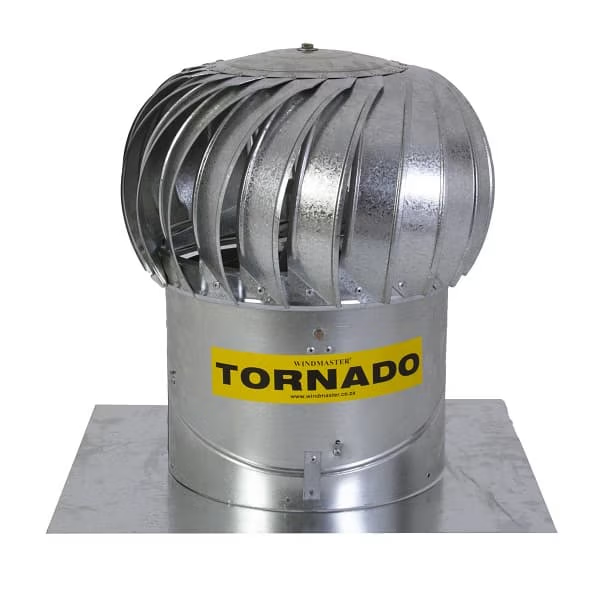
Is a Tornado roof ventilator the same as a whirlybird?
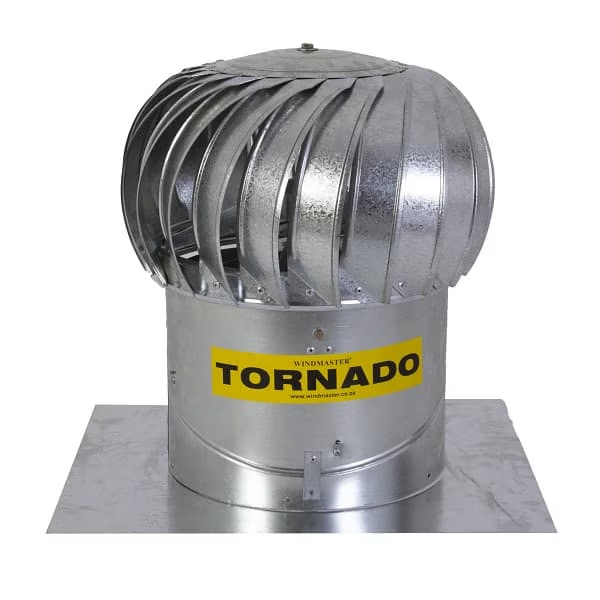
“Whirlybird” is commonly used for a rotating turbine roof ventilator. Tornado is Windmaster’s product range. Our featured roof-ventilation options are the 300, 350 and 500mm models, with Chimney Champ covered separately for suitable chimney applications.
Does it use electricity or need constant wind?
The Tornado turbine requires no electrical connection. Wind assists extraction and natural convection can also drive airflow. The amount of air moved varies with wind, temperature difference, available inlet air and the installed arrangement.
How many whirlybirds do I need?
The answer depends on the volume and use of the space, required air changes and the conditions at the site. A roof void and an open warehouse have different ventilation needs. Send measurements, roof details and any specification so the size, quantity and inlet provision can be considered together.
Will roof ventilation replace ceiling insulation?
They perform different jobs. Insulation slows heat transfer, while roof-space ventilation exchanges air with outdoors. Where a roof is designed to be ventilated, plan both with a properly detailed ceiling and clear airflow paths.
Will a whirlybird fix condensation or cool my home by a set amount?
There is no single temperature reduction that applies to every building. Ventilation can help manage conditions in a suitable roof space, but persistent moisture also needs investigation for roof leaks, indoor air leakage and moisture sources. The result depends on the whole construction and climate.
Can a Tornado be fitted to a tiled or metal roof?
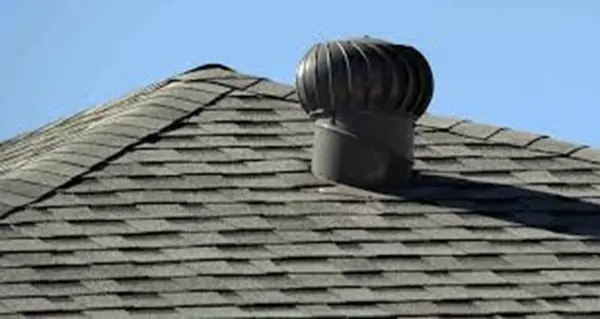
Windmaster provides installation guidance for both tiled and IBR roofs. Confirm the mounting, flashing, pitch and fixing details for your particular covering before ordering. Weatherproofing depends on the complete installation, including joints and any required back flashing.
Which finish should I choose near the coast?
Give us the site location and exposure conditions. Ask for the unit material, coating and fixing specification to be confirmed for that environment. A colour name or product photo alone is not enough to establish corrosion suitability.
Can I use a normal roof turbine on my braai chimney?
No. Windmaster specifically separates the Tornado roof range from Chimney Champ. Use a chimney product appropriate to the appliance and confirm the flue dimensions, installation height and temperature conditions. Do not assume a standard roof ventilator is suitable for hot flue gases.
What affects the price of a roof ventilation installation?
The model, material, finish, number of units, flashing, roof access and location all affect a quote. Use the product links to check listed options, then send your project details for supply and delivery pricing or an installation enquiry.

 Roof & building ventilation