Industrial Insulation Solutions for High Temperature, Fire Protection and Acoustic Performance
Industrial environments demand insulation systems that go far beyond standard building materials. Whether you are working in manufacturing, processing, engineering, commercial kitchens, furnace environments or plant rooms, insulation must deliver consistent thermal performance, fire resistance and long-term durability.
Industrial insulation plays a critical role in maintaining temperature stability, improving energy efficiency, reducing noise transmission and protecting structures from heat damage. In high-temperature environments, selecting the correct insulation is not simply about comfort — it is about safety, compliance and operational efficiency.
Our range of industrial insulation products has been carefully selected to meet the rigorous demands of South African industrial and commercial environments. These solutions include high density insulation systems designed to perform under elevated temperatures while offering exceptional acoustic absorption and fire safety properties.
Whether you are insulating ovens, furnaces, ducting, plant rooms, factory roofs or high heat production areas, products such as Energylite and Energybatt offer dependable performance backed by proven material science.
Â
Â
What Is Industrial Insulation?
Industrial insulation refers to specialized insulation materials designed for use in environments where temperatures, safety requirements and mechanical conditions exceed those of standard residential or commercial buildings.
These materials are engineered to:
Withstand elevated temperatures
Provide fire resistance
Improve energy efficiency
Reduce heat transfer
Enhance acoustic control
Maintain structural integrity over time
Meet safety and building regulations
Industrial insulation is commonly used in:
Manufacturing plants
Commercial kitchens
Ovens and furnaces
Warehouses
Mechanical rooms
Processing facilities
Boiler rooms
Ducting systems
Equipment enclosures
Industrial roofing systems
Â
Â
Why Industrial Insulation Is Critical
Energy Efficiency
Proper insulation reduces heat loss and heat gain, helping facilities maintain consistent internal temperatures. This reduces energy consumption and operating costs significantly.
Fire Protection
Non-combustible insulation materials provide essential fire resistance, helping to slow fire spread and improve building safety.
Thermal Stability
Industrial insulation protects equipment and structures from temperature fluctuations, preventing thermal stress and damage.
Acoustic Control
High density insulation significantly reduces noise transmission, making it ideal for factories and mechanical environments.
Compliance
Many industries require insulation systems that meet fire rating and safety standards to comply with building regulations.
Â
Â
Industrial Insulation Applications
Industrial insulation solutions are commonly used in the following environments:
Furnace insulation
Oven insulation
Factory roofing insulation
Industrial ceiling insulation
High heat duct insulation
Acoustic insulation for machinery rooms
Mechanical plant insulation
Thermal barrier insulation
Warehouse roof insulation
Commercial kitchen insulation
Fire protection insulation systems
Â
Our Industrial Insulation Product Range
Energylite Industrial Insulation
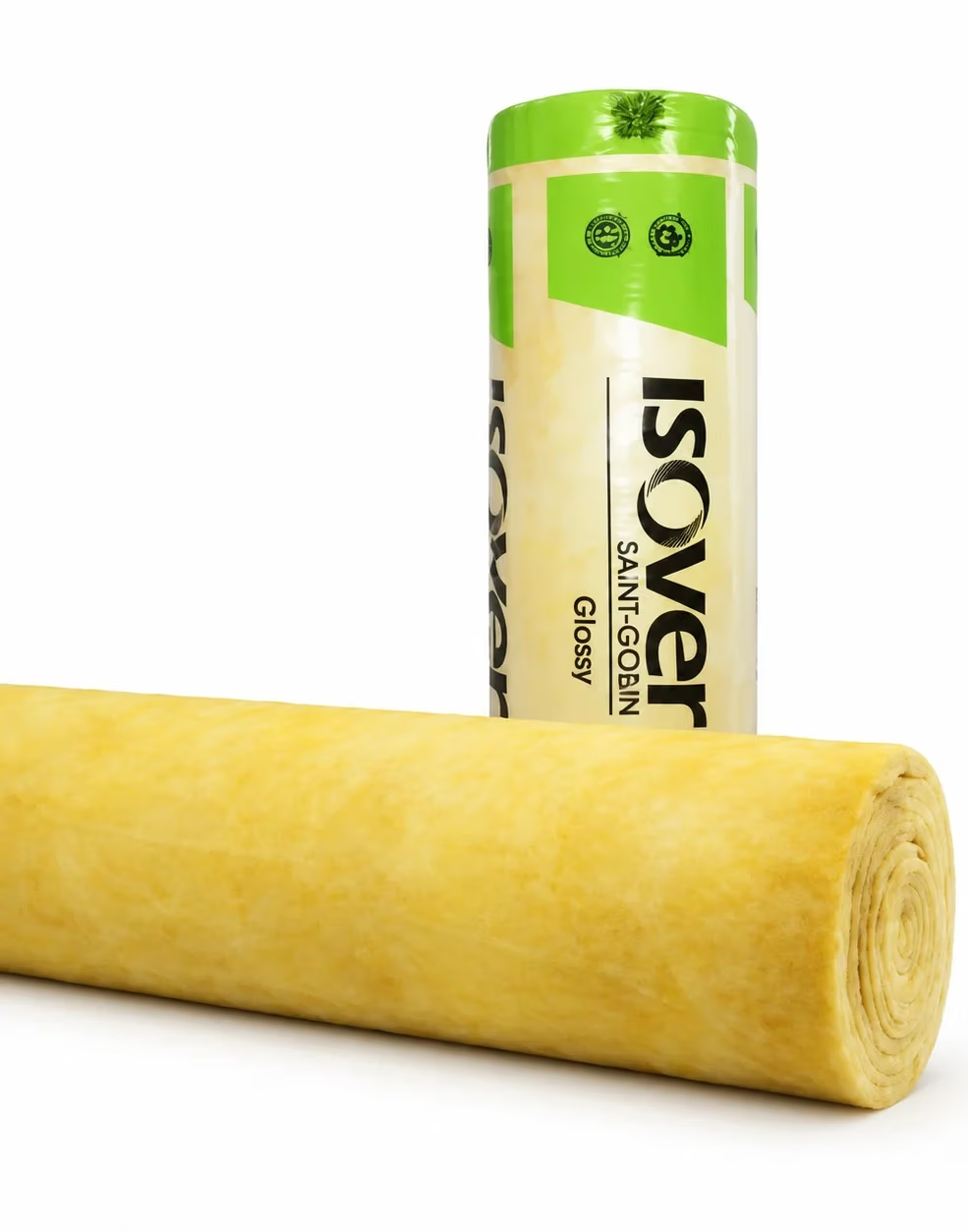
Energylite is a high density insulation product designed for environments where elevated temperatures and fire resistance are required. It offers excellent thermal performance while maintaining dimensional stability and durability.
Ideal applications include ovens, furnaces, plant rooms, industrial roofing and acoustic control installations.
Â
Â
Energybatt Industrial Insulation
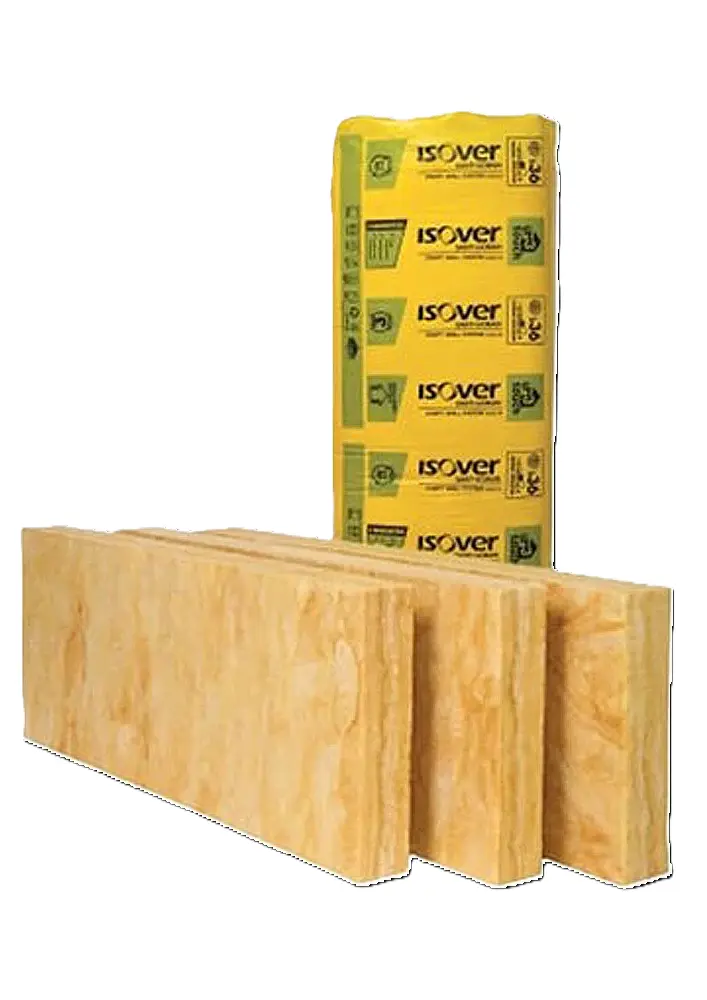
Energybatt is a rigid insulation batt designed for industrial and commercial environments where superior thermal resistance and sound absorption are required. Its high density structure makes it ideal for applications requiring consistent performance under demanding conditions.
Â
Â
Technical Specifications
Energylite Insulation Specifications
| Property | Specification |
|---|---|
| Material Type | High Density Mineral Fibre |
| Density Range | 24kg/m³ – 80kg/m³ |
| Maximum Temperature | Up to 250°C |
| Fire Rating | Non-Combustible (Class A1) |
| Thermal Conductivity | Low thermal transfer |
| Acoustic Performance | Excellent sound absorption |
| Moisture Resistance | Does not promote mould growth |
| Application Type | Industrial & Commercial |
| Durability | Long service life |
Energybatt Insulation Specifications
| Property | Specification |
|---|---|
| Material Type | High Density Insulation Batt |
| Density Options | Multiple density options available |
| Maximum Temperature | Up to 250°C |
| Fire Rating | Non-Combustible |
| Acoustic Performance | High sound absorption |
| Installation | Friction fit or mechanical fixing |
| Stability | Excellent dimensional stability |
| Thermal Efficiency | High thermal resistance |
| Compliance | Suitable for industrial use |
Â
Â
Fire Rating and Safety Performance
Fire safety is one of the most important considerations when selecting industrial insulation. Energylite and Energybatt are non-combustible insulation materials designed to resist ignition and slow fire spread.
Key benefits include:
Improved building safety
Reduced fire risk
Compliance with fire safety standards
Protection of structural components
Reduced smoke development
These properties make industrial insulation essential in high heat environments such as plant rooms, mechanical spaces and processing facilities.
Â
Â
Temperature Resistance
Industrial insulation must maintain performance under elevated temperatures. Both Energylite and Energybatt are designed to perform in temperatures up to 250°C, making them suitable for a wide range of industrial applications.
This temperature resistance ensures:
Thermal stability
Reduced heat loss
Protection of equipment
Increased system efficiency
Â
Â
Acoustic Performance Benefits
Industrial environments often generate high noise levels from machinery and equipment. High density insulation helps absorb sound and reduce noise transmission between spaces.
Benefits include:
Reduced workplace noise
Improved comfort
Better acoustic control
Compliance with noise regulations
Improved working conditions
Â
Â
Long Term Durability
Industrial insulation products are engineered for long service life with minimal maintenance. Their high density composition ensures resistance to sagging, settling and deterioration over time.
This results in:
Lower replacement costs
Consistent performance
Reliable thermal efficiency
Reduced maintenance requirements
Â
Â
Why Choose Our Industrial Insulation Products
Proven performance in high temperature environments
Non-combustible fire safe materials
Excellent acoustic performance
Long lasting durability
Suitable for industrial and commercial applications
Multiple density options available
Professional grade insulation systems
Reliable performance under demanding conditions
Â
Â
Environmental and Energy Benefits
Industrial insulation reduces energy consumption by minimizing heat transfer. This not only reduces operating costs but also lowers environmental impact by improving energy efficiency.
Benefits include:
Reduced carbon footprint
Improved sustainability
Lower energy costs
Improved temperature control
Â
Â
How to Choose the Right Industrial Insulation
When selecting insulation, consider:
Operating temperature
Fire safety requirements
Acoustic performance needs
Installation environment
Density requirements
Compliance standards
Thermal resistance needs
Â
Installation Considerations
Proper installation ensures maximum performance. Industrial insulation should be installed by experienced professionals to ensure correct fitting and performance.
Â
Â
Maintenance and Longevity
Industrial insulation requires minimal maintenance but should be periodically inspected to ensure performance remains optimal.
Â
Â
Future of Industrial Insulation
Modern industrial insulation systems continue to evolve with improved fire resistance, thermal performance and sustainability. Investing in quality insulation ensures long term performance and energy efficiency.