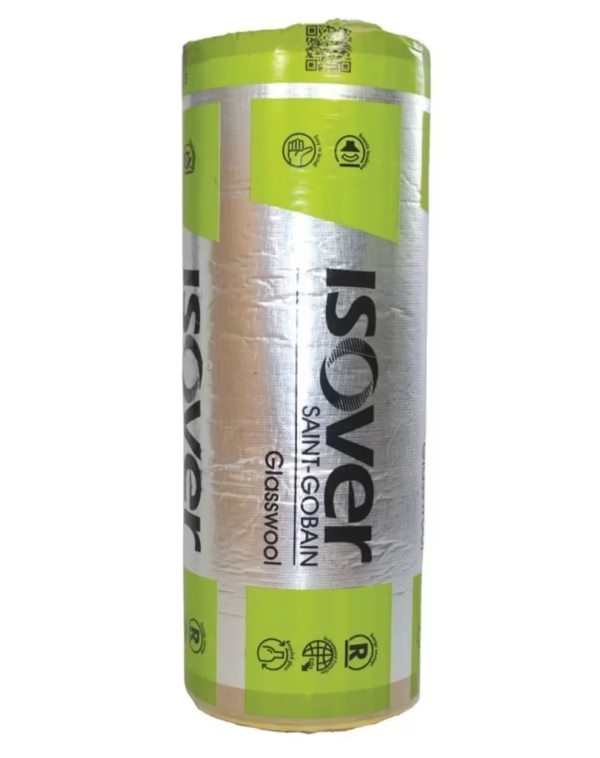
Ceiling Insulation — The Foundation of an Energy Efficient Home

Ceiling Insulation That Actually Makes a Difference

If your home is too hot in summer, freezing in winter, or your electricity bill keeps climbing, the problem is almost always poor ceiling insulation. Installing the right insulation is the single most effective way to stabilise indoor temperatures and reduce energy costs.

We supply South Africa’s most trusted insulation brands, including Aerolite, Knauf, Isotherm and Factorylite, along with high-performance thermal ceiling boards like Isoboard and Summit XPS. Whether you are insulating a new build, upgrading an existing home, or working on a commercial project, we have a solution that delivers proven results.

✔ Reduce heating and cooling costs
✔ Improve comfort year-round
✔ Meet building regulations
✔ Increase property value
✔ Long-lasting performance

Ceiling insulation remains one of the most important investments any homeowner or property developer can make. A properly insulated ceiling dramatically reduces heat transfer, improves indoor comfort, lowers electricity consumption, and extends the lifespan of roofing structures. In South Africa’s varied climate — from hot summers to cold winter nights — the right insulation makes all the difference between a comfortable home and one that constantly struggles to maintain a comfortable temperature.

Modern insulation solutions have undergone significant evolution over the years. Today’s products offer superior thermal resistance, improved fire safety, better acoustic performance, and environmentally responsible materials. Whether you are building new, renovating, or upgrading an existing property, choosing the correct ceiling insulation system ensures long-term performance and measurable energy savings.

Our range includes industry-leading insulation solutions trusted by contractors, builders, and homeowners across South Africa. From traditional glass wool insulation to advanced polyester insulation and rigid thermal boards, we supply solutions for every application and budget.

Why Ceiling Insulation Matters More Than Any Other Insulation

Heat naturally rises, which means the ceiling is the largest area of heat loss during winter and heat gain during summer. Without insulation, up to 35–40% of a home’s energy can be lost through the roof space.

Installing quality insulation provides:

  • Lower heating and cooling costs

  • Improved indoor comfort year round

  • Reduced strain on air conditioning systems

  • Better acoustic control

  • Increased property value

  • Reduced environmental impact

Types of Ceiling Insulation Available

Understanding the different types of insulation helps ensure the correct product is selected for each application.

Glass Wool Insulation

Glass wool remains one of the most widely used insulation materials due to its excellent thermal performance, fire resistance, and affordability.

Polyester Insulation

Polyester insulation is soft to handle, non-itchy, environmentally friendly, and highly durable. It is ideal for residential homes and eco-focused builds.

High-Density Commercial Insulation

Designed for commercial and industrial environments where higher thermal performance or acoustic control is required.

Rigid Thermal Ceiling Boards

Rigid Ceiling boards provide both insulation and ceiling finish in one system, offering excellent thermal resistance and moisture resistance.

Aerolite Insulation — Proven Performance for Residential Homes

Aerolite insulation has been a trusted name in South Africa for decades. Manufactured from glass wool, it provides excellent thermal resistance and fire safety.

Key Benefits

  • Non-combustible

  • Excellent thermal performance

  • Lightweight and easy to install

  • Long lifespan

  • Cost effective

Aerolite is ideal for residential homes, apartments, and light commercial applications where reliable performance and affordability are essential.

Knauf Insulation — Advanced Technology with Superior Comfort

Knauf insulation is known for its advanced fibre technology and superior thermal efficiency. Manufactured using modern, eco-friendly processes, it offers outstanding performance while maintaining a soft texture for easier installation.

Key Benefits

  • High thermal resistance

  • Excellent acoustic performance

  • Sustainable manufacturing

  • Low dust and improved air quality

  • Long-term durability

Knauf insulation is a premium option suited for homeowners looking for high performance and long-term reliability.

Isotherm Insulation — Environmentally Friendly Thermal Protection

Isotherm insulation is made from recycled polyester fibres and is one of the most environmentally friendly insulation options available.

Key Benefits

  • Non-toxic and non-allergenic

  • Dust-free installation

  • Long lifespan

  • Excellent thermal performance

  • Resistant to moisture

Isotherm is particularly popular for residential applications where comfort, sustainability, and indoor air quality are priorities.

Factorylite Insulation — High-Density Performance for Commercial Use

Factorylite insulation is designed for commercial and industrial environments where higher densities and superior acoustic control are required.

Key Benefits

  • High-density insulation

  • Excellent acoustic control

  • Fire resistant

  • Ideal for offices and industrial buildings

This product is often used in commercial ceilings, factories, and large buildings requiring enhanced thermal and acoustic performance.


Thermal Ceiling Boards — Insulation and Ceiling Finish Combined

Rigid insulation boards provide an all-in-one ceiling solution that combines insulation with a clean finished look.

Isoboard Thermal Ceiling

Isoboard offers exceptional thermal performance and moisture resistance, making it ideal for modern homes and commercial buildings.

Summit XPS Ceiling Boards

Summit XPS boards provide high compressive strength and excellent insulation performance, making them suitable for high-performance ceiling systems.


Choosing the Right Ceiling Insulation

Selecting the correct insulation depends on several factors:

  • Climate conditions

  • Budget

  • Required thermal performance

  • Fire safety requirements

  • Acoustic performance needs

  • Roof structure

Homes typically benefit from medium-density insulation, while commercial buildings may require higher-density products for improved performance.


Energy Savings and Return on Investment

Ceiling insulation typically pays for itself within a few years through reduced energy bills. Once installed, it continues delivering savings for decades while improving comfort levels.


Compliance with South African Building Regulations

Proper insulation helps meet SANS energy efficiency requirements and improves overall building compliance. Installing approved insulation ensures your property meets modern energy standards.


Professional Installation vs DIY

While some insulation can be installed by homeowners, professional installation ensures correct coverage, optimal performance, and compliance with safety standards.


Long Term Performance and Durability

High quality insulation maintains its thermal performance for decades without needing replacement. Investing in trusted brands ensures consistent performance and reliability.


Environmental Benefits

Reducing energy consumption lowers carbon emissions and contributes to a more sustainable environment. Modern insulation products are designed with environmental responsibility in mind.


Signs Your Home Needs Ceiling Insulation

  • Hot rooms in summer

  • Cold rooms in winter

  • High electricity bills

  • Uneven indoor temperatures

  • Drafts


Why Buy Ceiling Insulation From Us

  • Trusted insulation brands

  • Competitive pricing

  • Expert advice

  • Bulk supply options

  • Reliable stock availability

FAQs

What is the best ceiling insulation for homes?

Glass wool and polyester insulation are both excellent choices, depending on budget and performance requirements.

How thick should ceiling insulation be?

Typically, between 100mm and 135mm for optimal thermal performance in most homes.

Does ceiling insulation reduce electricity bills?

Yes, insulation significantly reduces heating and cooling costs.

Is insulation fire-resistant?

Most glass wool products are non-combustible and meet fire safety standards.

How long does insulation last?

Quality insulation can last 20–50 years without losing performance.

Can insulation reduce noise?

Yes, especially higher-density insulation improves acoustic comfort.

Is polyester insulation safe?

Yes, it is non-toxic and safe to handle.

Do I need insulation if I have ceiling boards?

Yes, ceiling boards alone do not provide sufficient thermal resistance.

What is the difference between Aerolite and Isotherm?

Aerolite is glass wool, while Isotherm is polyester fibre insulation.

Does insulation prevent heat in summer?

Yes, it slows heat transfer into the home.

Is professional installation recommended?

Yes, for best performance and safety.

Can insulation get wet?

Some products resist moisture better than others; proper roof maintenance is important.

Does insulation increase property value?

Yes, energy-efficient homes are more attractive to buyers.

Is insulation required by building regulations?

Most new builds require insulation to meet energy standards.

What insulation is best for commercial buildings?

High-density insulation like Factorylite is commonly used.

Are thermal ceiling boards better than insulation rolls?

They serve different purposes but can be combined for the best results.

Can insulation help with condensation?

Yes, it helps regulate temperature and reduce condensation risk.

How quickly will I see energy savings?

Most homeowners notice savings within the first season.

Scroll to Top